Skip to content
ECO PISTON

How modern vehicles clean up what they leave behind.

An independent resource explaining how automotive engineering, vehicle emissions, and environmental technology connect, from exhaust systems and catalytic converters to particulate filters and efficiency concepts.

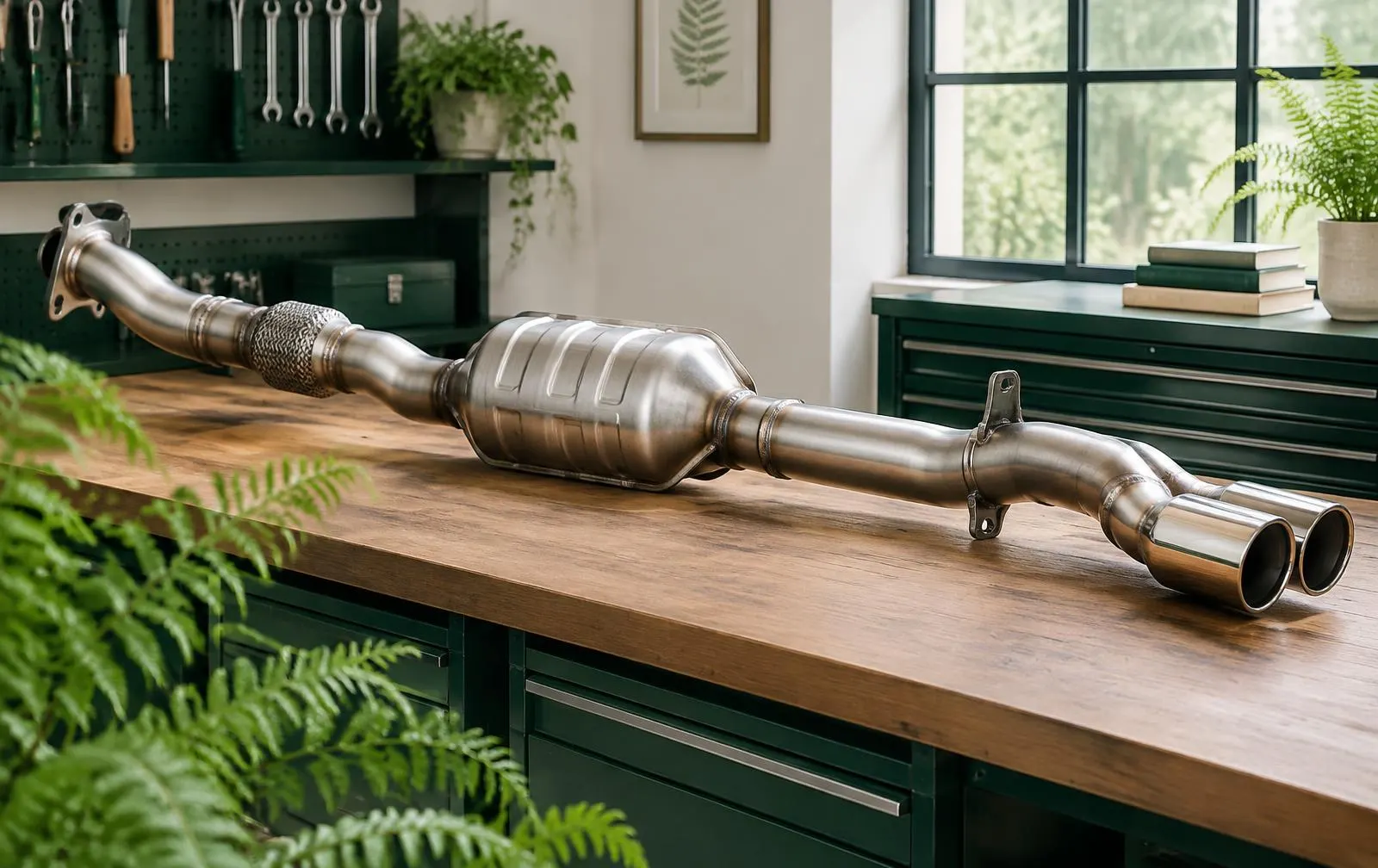
Stainless steel exhaust system with catalytic converter on a workbench beside ferns

Main feature

The Vehicle Emissions Technology Tree

Open a branch, then pick a topic node to read a short explanation. Use Learn More for the details.

VEHICLE EMISSIONS TECHNOLOGY

Components that clean the exhaust

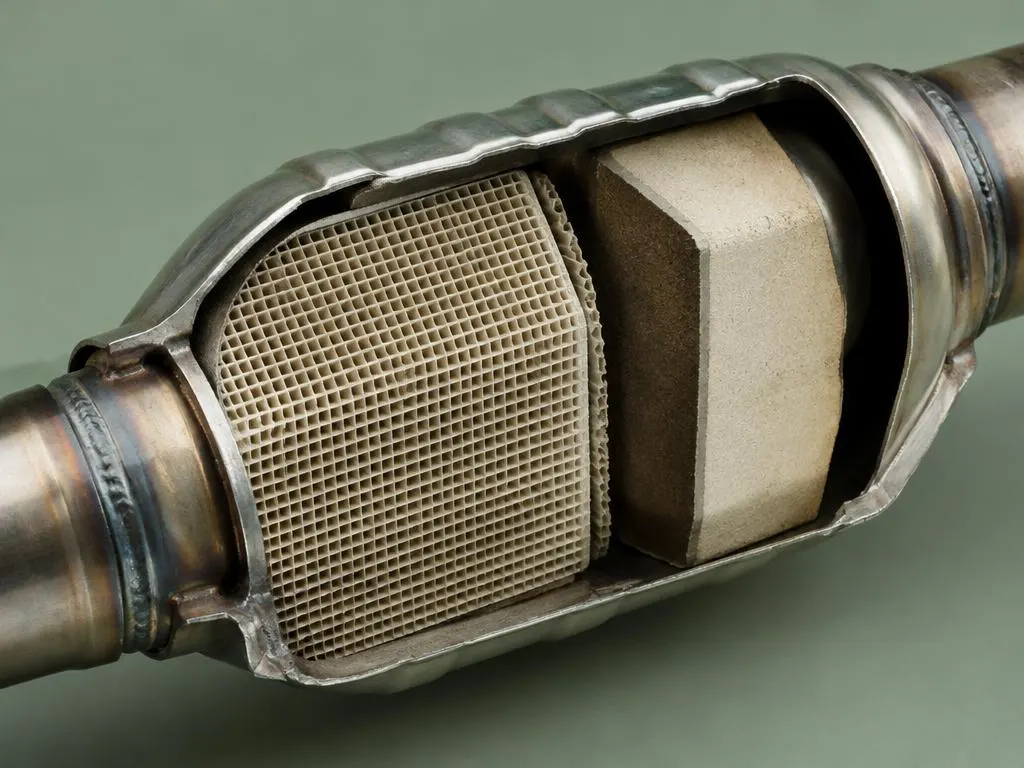
Cut away catalytic converter showing its ceramic honeycomb core

Catalytic Converter

Converts carbon monoxide, hydrocarbons, and nitrogen oxides into less harmful gases.

Learn More

Exhaust flows through thousands of tiny channels coated in platinum group metals. Once the converter reaches roughly 250 to 300 degrees Celsius, chemical reactions on that coating clean the gas stream. That is why most tailpipe pollution happens in the first minutes after a cold start.
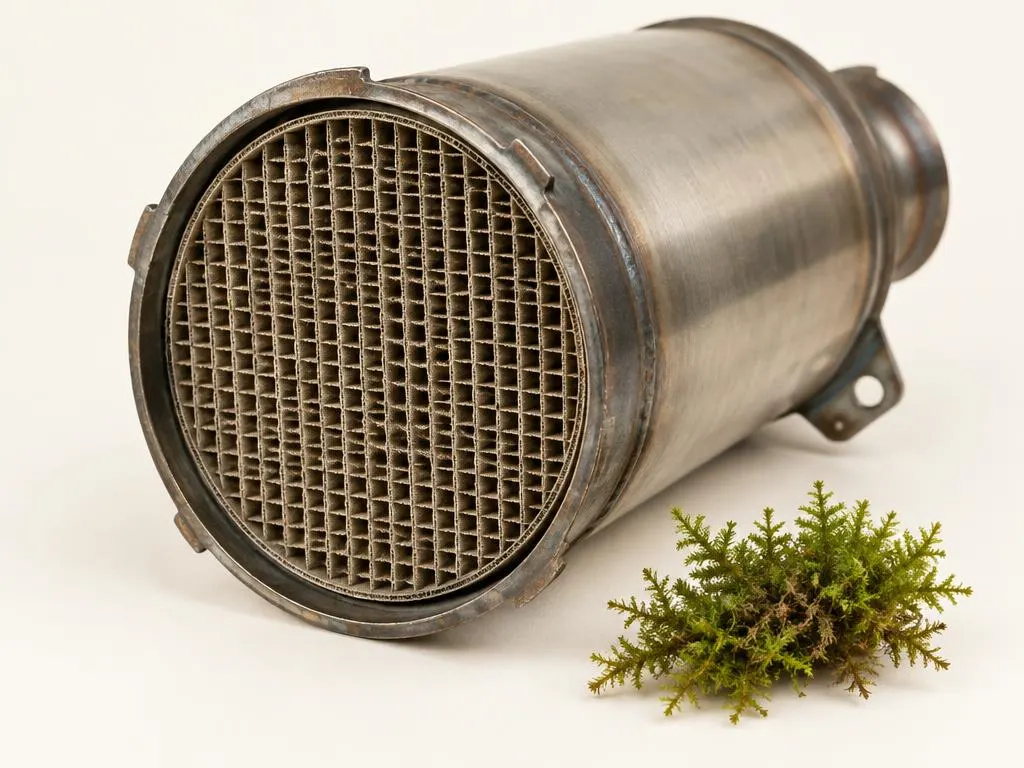
Diesel particulate filter with visible wall flow cell structure

Diesel Particulate Filter

Traps soot particles so they never leave the tailpipe.

Learn More

Every other channel is capped, so gas has to pass through porous ceramic walls. Soot builds up and is burned off during regeneration, either passively on long drives or actively when the engine raises exhaust temperature.

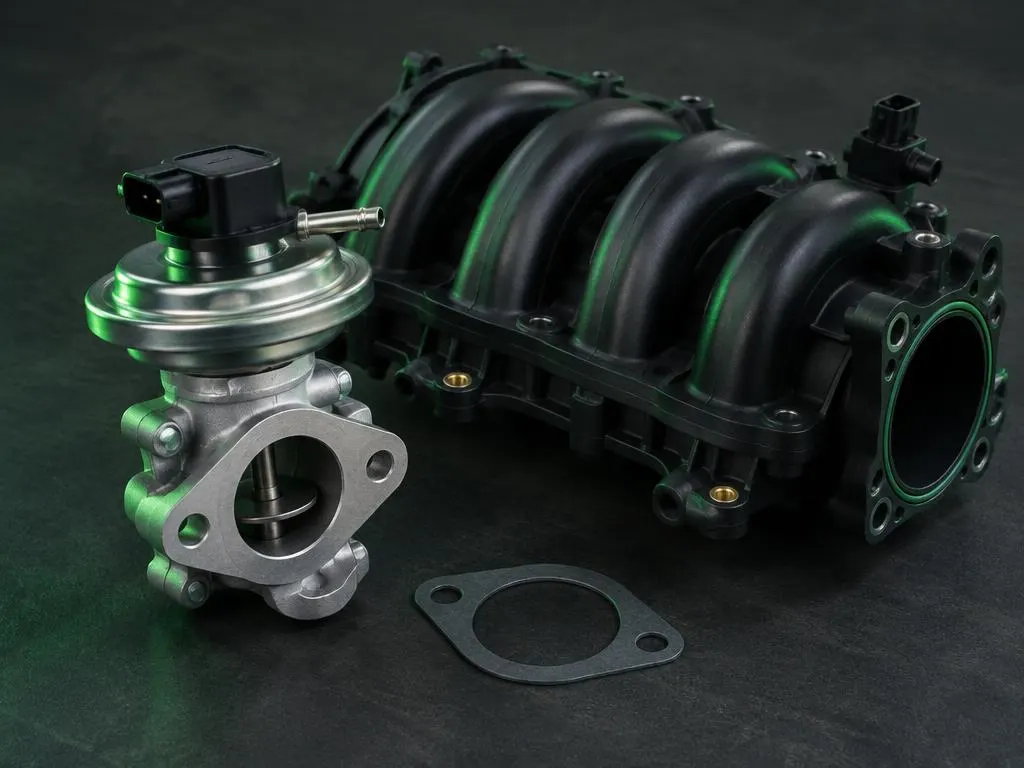
Exhaust gas recirculation valve next to an intake manifold

EGR Valve

Feeds a measured amount of exhaust back into the engine to lower NOx.

Learn More

By diluting the fresh intake charge with inert exhaust, EGR lowers peak flame temperature. Lower temperatures mean less nitrogen oxide forms in the first place, reducing work for downstream catalysts.

What you will find here

Get SMS Learning Updates